How to Grow Peppers: Heat-Lovers That Reward Patience
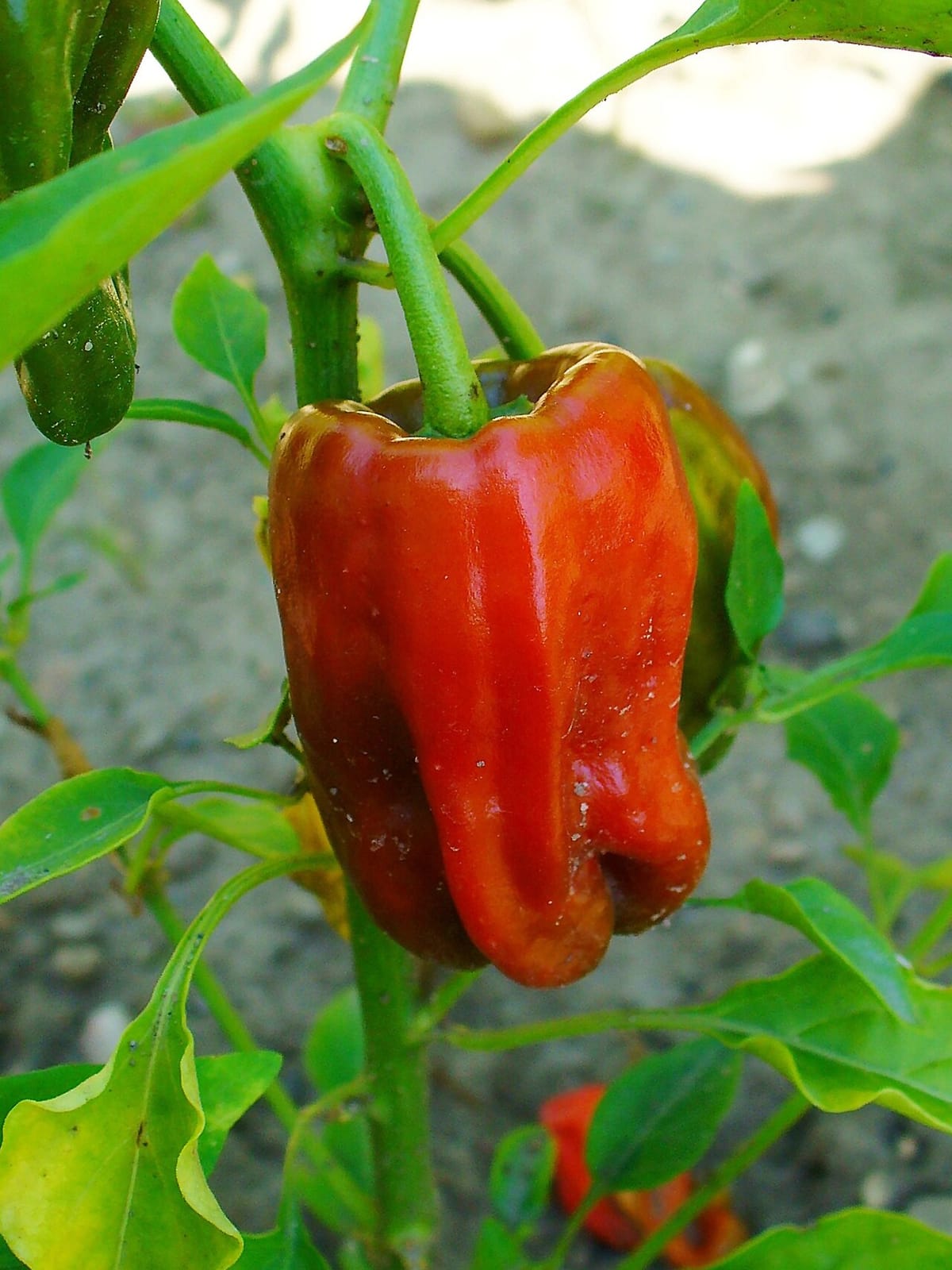
Peppers are tomatoes’ quieter sibling — same family, same beds, same season — and they suffer from the comparison in exactly one way: impatient gardeners. A tomato forgives a cold start and sprints anyway; a pepper set out on the same optimistic May weekend just stops, sulking in sixty-degree soil for three motionless weeks while its owner concludes peppers are hard. Peppers aren’t hard. They’re punctual — tropical perennials moonlighting as annuals, and they simply decline to work until conditions meet their contract: warmth at the roots, warmth at night, and a gardener who understands that green is only the halfway color.
Honor those terms and pepper plants are arguably easier than tomatoes — no pruning debates, no sprawling vines, fewer diseases, tidy and ornamental enough for the front walk — while producing steadily from midsummer to frost. Here’s the contract in full: the warm start, the patient transplant, the light-handed season, and the color-change decision that separates good pepper growers from great ones.
Sweet, hot, and in between: choosing the roster
All garden peppers are Capsicum annuum relatives sharing identical care, so choose by kitchen, not by difficulty:
- Big bells — the supermarket standard, and honestly the fussiest of the family: they want the longest season, biggest pots, and steadiest water to size up their thick walls. ‘King of the North’ and ‘Ace’ suit shorter seasons.
- Small sweets — ‘Lunchbox’, ‘Jimmy Nardello’, banana peppers, mini snacking types: faster, heavier-yielding, and more forgiving than bells in every climate. The best beginner sweet peppers, full stop.
- Mild-to-medium hots — jalapeño, poblano/ancho, Anaheim, Hungarian wax: productive workhorses that laugh at heat waves that stall the bells.
- Serious hots — serrano, cayenne, Thai types, habanero and beyond: generally the easiest peppers of all (small fruit sets fast even in brutal heat), though the superhots (ghost, reaper territory) need very long seasons and are best in pots that extend it. One habanero plant supplies a neighborhood.
Short-season gardeners: prioritize days-to-maturity under ~70 (from transplant, note — pepper math starts at transplant, not seed) and lean small-fruited, which always finishes faster than large.
The warm start (where pepper success is decided)
Peppers need a longer runway than almost anything in the garden, which is why they lead the seed-starting calendar:
- Start indoors 8–10 weeks before last frost — two weeks ahead of tomatoes.
- Germinate with bottom heat. Pepper seed at 65°F takes three grudging weeks with casualties; at 80–85°F on a heat mat, one week with nearly full attendance. No single purchase improves pepper growing more than a $25 seedling heat mat. (Hot pepper seed runs even slower — superhots can take a month; patience plus heat, not reseeding, is the answer.)
- Grow on under real light — the shop-light setup from our seed-starting guide, 14–16 hours — at ordinary room temperature, fed half-strength weekly.
- Or simply buy stocky transplants — zero shame, especially in year one; spend the saved effort choosing interesting varieties. Look for compact plants without fruit already set (a nursery pepper already fruiting in a 4-inch pot has been stunted into panic-production; it rarely outgrows it).
Transplanting: later than you think, warmer than you’d guess
The calendar rule: tomatoes go out at last frost +1 week; peppers wait another week or two beyond that, until nights reliably hold above 55°F and soil is warm to the touch. Cold-soil peppers don’t die — they pause, purple-tinged and resentful, and a pause at transplant costs more than the wait would have. Ways to buy warmth:
- Pre-warm the bed: black plastic or landscape fabric over the soil for the two weeks before planting; plant through slits, or swap to organic mulch once summer arrives.
- Site hot: the sunniest bed, and for the ambitious, against a south wall — peppers relish reflected heat that would stress lettuce into another zip code.
- Go containers: pots and fabric bags warm weeks ahead of ground and stay warmer at night; peppers are the best big vegetable in a container partly for this reason. Three to five gallons per plant, dark-colored in cool climates.
Mechanics: full sun (8 hours), 18 inches apart (peppers fruit a touch better slightly cozy — neighboring plants shade each other’s fruit against sunscald), planted at the same depth as the pot (unlike tomatoes, pepper stems don’t root; burying them invites rot), watered in well, with a short stake or small cage installed now — pepper wood is brittle, and August’s fruit load plus one thunderstorm equals snapped branches on unstaked plants. A cutworm collar (cardboard ring) around each seedling is cheap insurance the first two weeks.
An optional pro move at transplant: pinch off any flowers already present, and keep pinching for the first two weeks. The plant should spend June building frame, not funding one premature pepper.
Alt: Pepper seedlings transplanted through soil-warming black plastic with stakes installed at planting
Caption: Warm soil, early stakes, no rush: the whole transplant doctrine in one bed.
Season care: the light touch
Peppers want steadiness, not attention:
- Water: the standard deep-and-infrequent inch or so weekly, mulched, at the base. Consistency matters most once fruit is sizing — drought swings cause blossom-end rot on peppers just as on tomatoes (same calcium-delivery failure, same watering fix) and bitter, thin-walled fruit.
- Feeding: restrained. Compost at planting, then a modest balanced or slightly low-nitrogen feeding when the first flush of fruit sets. Overfed peppers are the classic gorgeous-bush-no-peppers — nitrogen buys leaves at fruit’s expense.
- The blossom-drop panic, pre-empted: flowers falling without setting fruit is a weather report, not a disease — nights under ~55°F, days over ~90°F, or hot nights all abort pollination; so does drought. Change nothing except water; set resumes when the weather does. Midsummer pause then September avalanche is the completely normal pepper rhythm in hot-summer regions.
- Pests and disease: blessedly short list. Aphids on tender tips (the usual ladder — blast, soap, ladybugs), the odd hornworm freelancing over from the tomatoes (hand-pick), and sunscald on fruit exposed by sparse foliage (papery pale patches — a reason not to over-prune and to let plants shade their own fruit). Rotate beds year to year with their tomato cousins, since they share diseases.
Harvest: the green-versus-ripe economics
Here’s the fact that upgrades every pepper patch: almost no pepper is truly “done” green. Green bells, green jalapeños, green poblanos are unripe — fully sized but weeks from their mature color (red, usually; sometimes orange, yellow, chocolate, purple). Ripening transforms them: sugars double, the grassy edge sweetens, vitamin C climbs, and hot peppers develop rounder, fruitier heat. A red-ripened bell and a green one are different vegetables sharing a name — and a price tag explains it: red bells cost more at the store precisely because those extra weeks are expensive for farmers.
They’re cheap for you, but not free — the trade is that ripening fruit suppresses new fruit set (the plant, sensing mission accomplished, downshifts — the same finished-seed logic that governs flower deadheading). So run a portfolio:
- Early season: pick everything green and fullsized, promptly — this reads to the plant as failure and provokes furious re-flowering. Green jalapeños and early green bells are the price of a heavy total crop.
- From midsummer: designate ripeners — leave a portion of fruit to color fully for flavor while continuing to pick the rest green for volume.
- Always cut, never pull: snips or a knife, leaving a short stem stub — pulled peppers take branches with them.
- Frost endgame: peppers ripen off the plant reasonably well once blushing has started; before the first freeze, strip everything, ripen the started ones on the counter, and cook the stubborn greens. (Or pot up your best hot pepper and winter it at a bright window — remember, they’re perennials at heart, and a second-year plant fruits absurdly early.)
Storage is short and sweet: fresh peppers keep a week or two refrigerated; hots dry beautifully whole on a thread or split in a low oven; everything freezes raw in strips, no blanching, straight to future fajitas.
The season in one paragraph
Start seed warm and early (or buy good transplants), refuse to plant until nights pass 55°F, stake at planting, water steadily, feed barely, ignore blossom drop, pick green early and ripe late. That’s the whole contract — and peppers, unlike more temperamental crops, honor it to the letter. By September, when the plants stand glossy and loaded in three colors while the tomatoes next door dissolve into their annual late-blight drama, you’ll understand the pepper grower’s quiet smugness. It was never difficulty. It was just a different clock.
Frequently asked questions
Why are my pepper plants growing so slowly?
Almost always temperature. Peppers are true tropicals that essentially stop growing below 60°F — set out too early into cool soil, they sit motionless for weeks while later-planted ones sail past. Wait until nights hold above 55°F, warm the soil with dark mulch or pre-laid plastic, and use pots or fabric bags, which warm faster than beds.
Why do the blossoms keep falling off my pepper plant without making fruit?
Blossom drop is a temperature complaint at either extreme: nights below ~55°F or days above ~90°F (nights above 75°F) both abort pollination, as does drought stress or heavy nitrogen. Usually nothing is wrong with the plant — keep it watered and unfed for a bit, and fruit set resumes when weather moderates.
Should I pick peppers green or wait for them to turn red?
Both are legitimate; know the trade. Nearly all peppers start green and ripen to their mature color (red, orange, yellow, purple), gaining sweetness, vitamin content, and flavor complexity as they turn — a red bell is the same fruit as a green bell, weeks later. But every ripening fruit slows new fruit set, so pick some green to keep production rolling and let others finish for flavor.
Do pepper plants need staking?
A short stake or small tomato cage per plant is cheap insurance. Pepper stems are brittle, and a plant loaded with fruit in an August storm can snap or lodge. Stake at planting time, tie loosely as it grows, and heavy-fruited varieties (big bells especially) will use the support.
Can I grow peppers in pots?
Peppers are arguably the best large vegetable for containers — they like the warm root zone pots provide. Give each plant a 3–5 gallon container (5 for big bells), full sun, potting mix (never garden soil), daily water checks in summer, and half-strength feeding every week or two once flowering starts.
Why are my jalapeños not hot (or my hot peppers too hot)?
Heat level is variety first, stress second. Capsaicin rises when ripening fruit experiences heat and mild drought — the same jalapeño variety runs hotter in a scorching dry August than a cool wet one. For hotter peppers, ease off water as fruit matures; for milder, keep plants consistently comfortable — and check the variety name, since breeding sets the range.
Should pepper seedlings be started earlier than tomatoes?
Yes — peppers germinate slowly (often 2–3 weeks) and grow deliberately, so start them indoors 8–10 weeks before your last frost, versus 6–8 for tomatoes. Bottom heat around 80°F transforms their germination speed and rate. They're also transplanted out later than tomatoes, once nights are reliably mild.