10 Easy Annual Flowers Anyone Can Grow from Seed
There’s a persistent idea that flowers are the advanced course — that beginners earn their way up through vegetables before attempting anything ornamental. It’s exactly backwards. The easiest plants in all of gardening are annual flowers sown straight into warm soil: no transplanting, no pruning philosophy, no harvest windows. You poke seeds into the ground in May, and from July to frost they run a fireworks show that also feeds every bee and butterfly in the neighborhood.
Annuals hustle because they have to: one season to sprout, bloom, and set seed means they’re built for speed and generosity. This list collects the ten most forgiving — flowers that germinate reliably, shrug off average soil, and bloom for months. For each: when to sow, how to space, and the one trick that multiplies the show.
First, the three rules that cover all ten
- Sun is the fuel. Six-plus hours of direct light for everything here. Less sun means fewer flowers and floppier plants — no exceptions worth planting.
- Poor-to-average soil is fine; rich soil backfires. Annual flowers over-fed with nitrogen build magnificent foliage and forget to bloom. If the bed grows decent weeds, it will grow flowers. Skip the fertilizer bag; a little compost at sowing is plenty.
- The more you cut, the more you get. An annual’s life goal is seed. Every spent bloom you remove — and every fresh one you cut for the table — is a goal denied, and the plant responds by flowering again. A vase on the kitchen table is not a harvest from the garden; it’s maintenance of it.
1. Zinnias — the valedictorian
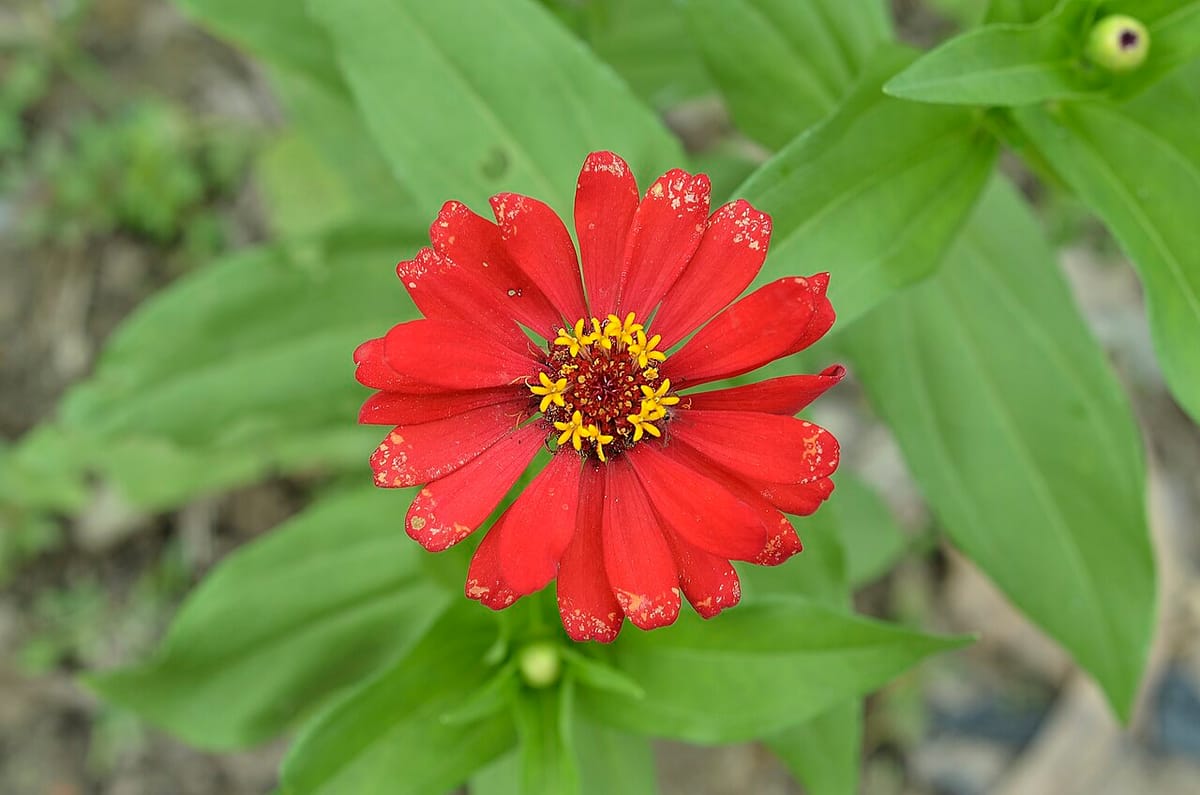
If you sow only one packet, sow zinnias. Large, easy-handling seeds; germination in four to seven days; bloom in about sixty; then nonstop color until frost, in every shade except blue. Butterflies treat a zinnia patch as a landing strip.
Sow: after last frost, ¼ inch deep, in the sunniest spot you have. Thin to 6–12 inches — crowded zinnias mildew. The trick: when a young plant reaches about a foot, snip the central stem just above a leaf pair. It branches into a candelabra and triples its flower count. Then cut blooms constantly and deep — long stems, right into a vase. Watch for: powdery mildew late in summer; spacing, sun, and watering the soil (not the leaves) hold it off.
2. Cosmos — grace on neglect
Ferny, cloud-like plants topped with daisy flowers that sway at every breeze. Cosmos actively prefer poor soil — pamper them and they grow six feet of foliage with three flowers. In lean ground they bloom themselves ragged.
Sow: after last frost, barely covered. Thin to about a foot. The trick: restraint. No fertilizer, modest water once established. Deadhead weekly or cut for arrangements — they’re superb, lasting cut flowers. Bonus: cosmos self-sow politely; this year’s patch usually reappears next spring, free.
3. Marigolds — the workhorse
French marigolds (the compact, foot-tall kind) germinate almost embarrassingly fast, bloom in six weeks, and flower relentlessly in gold, orange, and mahogany. They’re the classic edging for vegetable beds — less for the overstated pest-repelling folklore than because their nectar feeds the hoverflies and tiny wasps that do eat pests, a supporting role we describe in our aphid control guide.
Sow: after last frost, ¼ inch deep; thin to 8–10 inches. The trick: deadhead by pinching — the spent bloom snaps off between finger and thumb in a second, and the plant never pauses.
4. Sunflowers — the crowd-pleaser
The most dramatic result-per-seed in gardening: a striped seed the size of a fingernail becomes, by August, a stem you could lean on with a flower head the size of a dinner plate. Branching varieties yield armloads of vase-sized blooms instead of one giant.
Sow: after last frost, 1 inch deep, direct — they hate transplanting. Full sun, and mind that tall types shade whatever’s north of them. The trick: succession-sow a short row every two weeks until midsummer for continuous towers. The full playbook — giants, branching types, seed harvest, squirrel defense — is in our sunflower guide.
5. Nasturtiums — the edible spiller
Round lily-pad leaves, jewel-colored flowers, and a habit that tumbles beautifully out of beds, boxes, and hanging pots. Leaves and flowers are both edible with a peppery-cress bite that startles salad guests. Like cosmos, they bloom hardest in poor soil.
Sow: after last frost, ½ inch deep (the pea-sized seeds handle easily; soaking overnight speeds them up). The trick: none needed, which is the point. They’re also famous aphid magnets — some gardeners plant them deliberately as a trap crop to lure aphids off the vegetables; a colonized nasturtium stem gets pinched off and binned, pests and all.
Alt: Orange and red nasturtium flowers trailing over a raised garden bed edge
Caption: Groundcover, salad garnish, and aphid decoy — nasturtiums multitask.
6. Calendula — the cool-season opener
Calendula (pot marigold — no relation to #3) opens the flower season: it laughs at light frost and prefers cool weather, blooming in sunny golds and apricots from late spring, pausing in high-summer heat, and returning for a fall encore.
Sow: 2–4 weeks before last frost, ¼–½ inch deep. Thin to 8–10 inches. The trick: shear plants back by half when summer heat stalls them; they regrow and rebloom when nights cool. Reliable self-sower — one packet is a lifetime supply if you let a few heads seed each fall.
7. Bachelor’s buttons (cornflower) — the true blue
Genuine blue is rare in flowers; bachelor’s buttons deliver it by the fistful on wiry, cottage-garden stems (pinks and whites available too). Another cool-preferring, frost-tolerant sower that gets going early.
Sow: 2–4 weeks before last frost, ¼ inch deep — they need darkness to germinate, so cover properly. Thin to 8 inches. The trick: sow thickly and let them lean on each other, cottage-style, or stake the patch’s perimeter with twine; the stems are willowy. Cut endlessly — they dry well, too.
8. Sweet alyssum — the living carpet
A low, spreading foam of tiny honey-scented flowers that edges beds, fills container gaps, and carpets ground under taller plants. Its quiet superpower: those hundreds of tiny nectar cups are the favorite fuel of hoverflies, whose larvae are premier aphid predators. An alyssum ribbon along the vegetable bed is pest control wearing perfume.
Sow: around last frost, pressed onto the surface — it needs light to germinate. It handles light frost once growing. The trick: shear the whole mat by half when blooming slackens in midsummer heat; it reflushes in two weeks and runs to frost.
9. Sweet peas — the fragrance investment
The one list member that asks for planning, repaid in the best scent in the annual kingdom and armfuls of ruffled cut flowers. Sweet peas are cool-season climbers: they want an early start, something to climb, and cutting three times a week. (Note: unlike garden peas, the seeds and pods are not edible.)
Sow: as early as soil can be worked — with peas-the-vegetable, weeks before last frost — 1 inch deep at the base of a trellis, netting, or twiggy branches. In mild-winter regions, sow in fall for spring bloom. The trick: ruthless cutting. The moment sweet peas set seed pods they quit; a vase-a-day habit keeps them producing until real heat shuts the season.
10. Cleome (spider flower) — the tall finisher
Airy four-foot spires topped with whiskery pink, purple, or white flower heads that look exotic and grow like the roadside wildflower they nearly are. Cleome gives a first-year border its back row — height and drama with zinnia-level effort.
Sow: on the surface around last frost (light germinator); thin to 18 inches. The trick: none required — it shrugs off heat and drought once established and self-sows for next year. Just site it where you won’t brush past daily: stems carry small spines, and the foliage has a musky scent people rate from “herbal” to “skunky.”
Assembling the border: one packet-plan that works
A 3×8-foot strip in full sun, sown the week after last frost:
- Back row: sunflowers and cleome, 18 inches apart.
- Middle: zinnias and cosmos, alternating, a foot apart.
- Front edge: French marigolds every 10 inches, alyssum sown between them.
- Corners: a nasturtium each, to spill.
- Earlier, at the bed’s ends: calendula and bachelor’s buttons, sown a month before everything else.
Total cost: seven or eight seed packets. Total care: thin once, water while establishing, then cut flowers a couple of times a week — which is less a chore than the entire reward. By August the strip is shoulder-high, buzzing, and producing more bouquets than your house has vases; by October you’ll be saving seed heads and sketching a longer strip, which is how flower gardening begins. If you’re building the bed itself from scratch first, our starting-a-garden guide covers the ground-prep half of the story.
Frequently asked questions
What is the easiest flower to grow from seed?
Zinnias, by broad agreement. The seeds are large, germinate in under a week in warm soil, tolerate average soil and irregular watering, and bloom about two months after sowing — then keep blooming harder the more you cut them, until frost.
Should I start flower seeds indoors or sow them directly in the garden?
Every flower on this list is happiest sown directly where it will grow — most of them actively resent transplanting. Direct sowing also skips the equipment, the hardening off, and the windowsill clutter. The trade is patience: direct-sown flowers bloom a few weeks later than nursery transplants.
When should I plant annual flower seeds?
The warm-season majority (zinnias, cosmos, marigolds, sunflowers, nasturtiums) go in after your last spring frost, once soil is warm — tomato-planting time. A few cool-tolerant ones (calendula, bachelor's buttons, sweet alyssum) can be sown 2–4 weeks earlier and actually prefer the cool start.
What does 'deadheading' mean and do I have to do it?
Removing spent blooms before they set seed. An annual's whole mission is making seed; deadhead it and the plant keeps producing flowers in retry. For most of this list, deadheading (or better, cutting flowers for the vase) is the difference between six weeks of bloom and four months. Exceptions are noted — some modern varieties are self-cleaning.
Why are my flower seedlings tall, pale, and floppy?
Not enough light — they're stretching for it. Outdoors this means the spot is shadier than the packet requires; most annuals here want six-plus hours of direct sun. Thin crowded seedlings too: overcrowding produces the same leggy stretch as shade.
Which annual flowers come back every year by themselves?
True annuals die at frost, but several on this list — cosmos, calendula, bachelor's buttons, sweet alyssum, and often zinnias — self-sow: their dropped seeds sprout on their own next spring. Leave a few final blooms to go to seed in fall, and skip mulching that patch until seedlings appear in spring.
Do annual flowers need fertilizer?
Less than almost anything else you'll grow. In compost-amended soil most annuals bloom generously with no feeding at all, and overfeeding — especially with nitrogen — produces big leafy plants with few flowers. Feed lightly, if ever, and only container-grown flowers regularly.