Start an Herb Garden: 8 Easy Herbs for Your First Year
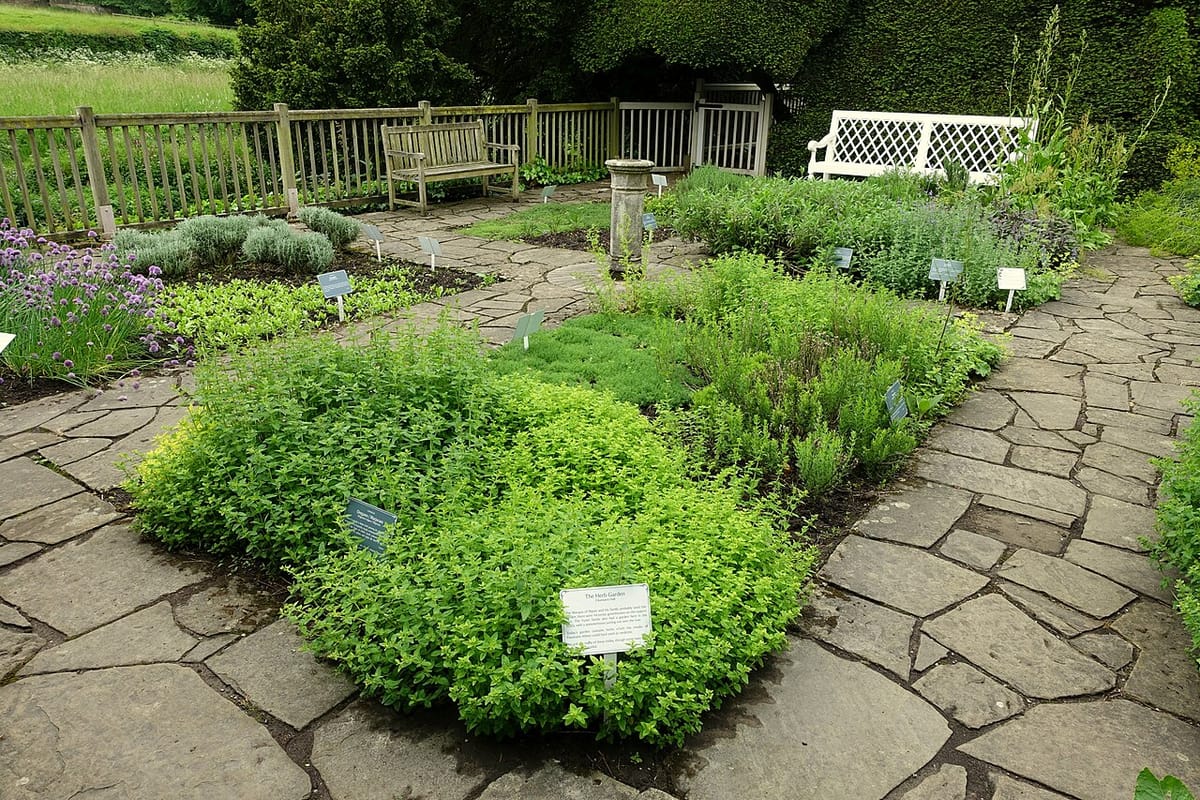
If gardening had an official gateway drug, it would be herbs. No other crop pays back so fast, in so little space, with so little skill required: a ten-dollar investment in three or four plants upgrades every meal you cook from May to November, and most of the classics are harder to kill than to grow. A pot of chives will outlive your enthusiasm, your neglect, and possibly your mortgage.
Yet herb gardens fail all the time — almost always the same two ways. They’re planted in cute pots in dim kitchen windows (herbs are sun plants; the windowsill herb garden is mostly a myth sold by photography), or they’re planted as a collection and watered as a collection, even though half of them are Mediterranean drought-lovers and the other half are moisture-hungry leaf machines. Solve those two problems — real sun, and grouping by thirst — and everything else is detail. Here’s the full setup, plus profiles of the eight herbs that belong in a first-year garden.
The two rules that make herb gardens work
Rule one: herbs are sun plants. The flavor compounds you grow herbs for are manufactured in bright light; shade-grown herbs are leggy, sparse, and bland. Six hours of direct sun is the entry fee for nearly everything on this list (parsley, chives, and mint will accept a bit less). That usually means outdoors — a bed, a balcony, a doorstep pot — or, indoors, a south window plus honesty, which for serious winter harvests means a small grow light. The romantic kitchen-window herb garden fails on photons, not on love.
Rule two: group by water, not by aesthetics. Culinary herbs come from two different worlds:
- Team Mediterranean — rosemary, thyme, sage, oregano — evolved on sunny, rocky, dryish hillsides. They want sharp drainage, lean soil, and to dry out between waterings. Rich soil and daily water make them soft, bland, and rot-prone. Kill-by-kindness is their signature death.
- Team Moisture — basil, parsley, chives, cilantro, mint — are leafy producers that want decent soil and steady water, and wilt theatrically without it.
Plant the two teams in separate beds, separate pots, or opposite ends of one bed with the watering can calibrated accordingly. A single pot mixing rosemary and basil guarantees one of them is always suffering.
(One logistical rule outranks both: put the garden where you cook. An herb garden thirty steps from the kitchen gets harvested a tenth as often as one beside the door, and harvesting, as you’ll see, is what keeps it healthy.)
The eight-herb starting roster
1. Basil — the summer headliner
The most-wanted herb and the best teacher of harvesting-as-care: pinch stem tips weekly and one plant becomes a bush that outproduces your pesto ambitions. A true tropical — never outdoors until nights hold above 50°F. Full sun, steady water, and the complete playbook (pinching, bolting, the supermarket-pot trick) lives in our basil guide. Annual; sow or buy; Team Moisture.
2. Chives — the unkillable perennial
Grassy clumps with mild onion flavor, up first every spring, indifferent to cold, drought, and forgetfulness, topped in early summer with edible purple pompoms the bees adore. Harvest by cutting outer leaves an inch above soil — scissors, not fingers. Divide the clump every few years and gift the spares. Perennial nearly everywhere; buy one plant, own it forever; Team Moisture (but forgiving).
3. Parsley — the quiet workhorse
Flat-leaf (Italian) parsley is the most-used herb in most kitchens that own it — backbone of sauces, salads, and everything braised. It germinates slowly from seed (two to three weeks; soaking overnight helps) but asks nothing afterward. Harvest outer stems at the base; the center keeps producing for a full season. Technically biennial, best replanted yearly since year two is a quick bolt to seed. Treat as annual; seed or start; Team Moisture.
4. Mint — the beloved menace
Glorious in tea, mojitos, and tabbouleh; catastrophic in a garden bed. Mint spreads by underground runners that colonize everything — plant it in the ground and in three years you have a mint lawn with a garden problem. The rule has no exceptions: mint lives in a pot. A big one, in sun or part shade, watered generously and harvested by the fistful. Even sink-a-pot-in-the-bed schemes eventually leak runners over the rim. Perennial; buy a plant; Team Moisture; solitary confinement.
5. Rosemary — the fragrant shrub
Piney, resinous, and magnificent with roast anything, rosemary is a woody Mediterranean shrub that wants your sunniest, best-drained spot and your least attentive watering. More rosemary dies of soggy winter feet than of cold — though real cold matters too: it’s reliably perennial only around zone 7 and warmer. Colder gardeners grow it in terracotta and winter it indoors at the brightest window. Harvest sprigs year-round; never cut back into bare leafless wood, which doesn’t resprout. Perennial/tender; buy a plant; Team Mediterranean.
6. Thyme — the groundcover that cooks
Tiny leaves, huge range — soups, roasts, marinades, and the herb most likely to survive your vacation. Thyme creeps low over pot rims and bed edges, thrives on neglect in gritty soil, and shrugs at drought once established. Shear it back by a third after its early-summer bloom to keep it dense. Perennial to about zone 5; buy a plant; Team Mediterranean.
7. Oregano — the pizza perennial
Vigorous to a fault (it’s mint’s respectable cousin — watch its spread, though it invades politely rather than criminally), oregano delivers more flavor dried than nearly any herb, making it the best candidate for preserving. Full sun and lean soil sharpen its flavor; rich soil dilutes it. Cut whole stems just before flowering for peak potency, and hang them to dry. Perennial to zone 4–5; buy a plant; Team Mediterranean.
8. Cilantro — the sprinter
The list’s one diva, included because so many kitchens can’t live without it. Cilantro bolts — flips from leaf to flower — at the first sign of heat or long days, and no care regimen prevents it. The professionals’ answer is to stop fighting: direct-sow a pinch of seed every two to three weeks from early spring (it resents transplanting), harvest whole young plants fast, and let a few bolt on purpose — the flowers feed the beneficial insects that clear your aphids, the seeds are coriander, and the self-sown volunteers arrive in fall like an apology. Annual; direct-sow, repeatedly; Team Moisture.
Alt: Mediterranean herbs grouped in one pot and moisture-loving herbs grouped in another
Caption: The two teams, correctly housed: drought-lovers left, drinkers right.
Layouts that work
The doorstep container garden (smallest, most-used): three pots by the kitchen door — one 12-inch of Team Mediterranean (rosemary center, thyme and oregano at the edges, gritty fast-draining mix), one of Team Moisture (basil, parsley, chives, richer mix), and mint alone in the third. Container fundamentals — drainage holes, real potting mix, more frequent watering — are covered in our container guide, and herbs are their easiest application.
The 4×4 kitchen bed: Mediterranean team on the sunniest, driest side (work extra grit or coarse sand into their half), moisture team on the other, chives as the edging, mint conspicuously absent (it’s in its pot, on the path). This bed supplies a household with surplus.
The interplanted vegetable garden: herbs tucked among vegetables earn double wages — basil beside tomatoes, dill and cilantro flowering for the hoverflies, thyme edging the bed. Same teams-by-water logic applies within each bed’s zones.
Harvesting: the care disguised as taking
New herb gardeners under-harvest out of politeness, and under-harvested herbs get leggy, woody, and bolt-prone. Regular harvesting is the pruning that keeps them productive — you are not taking from the plant; you are managing it. Three techniques cover all eight herbs:
- Pinch the tips (basil, mint, oregano): cut just above a leaf pair; two stems grow where one was. Weekly.
- Cut outer stems at the base (parsley, chives, cilantro): the plant regrows from its center. Never shear the whole plant flat mid-season.
- Snip sprigs from green growth (rosemary, thyme, sage): take up to a third at a time, never cutting into bare wood.
The universal timing: mid-morning, after dew but before heat, when the aromatic oils peak. And the universal quota: if you’re cooking tonight, cut something — the herb garden that gets raided daily is the one that thrives.
Surplus? Tender herbs (basil, parsley, cilantro, chives) freeze better than they dry — chopped into ice-cube trays under olive oil or water. The Mediterranean team (oregano, thyme, rosemary, sage) dries beautifully in labeled paper bags or hung bunches. January-you will be grateful either way.
The one-season plan
Spring: buy one each of rosemary, thyme, oregano, and chives; sow basil after frost and cilantro every few weeks from mid-spring; pot the mint you were given by a neighbor with a knowing look. Group by team, park them in real sun by the kitchen door, water the drinkers when the soil surface dries and the Mediterraneans when the pot goes light. Harvest something daily.
By September you’ll have spent less than a takeout dinner, seasoned a hundred meals, and — this is the reliable part — already drafted next year’s expansion list. Herbs are the gateway for a reason; the rest of the garden is standing by.
Frequently asked questions
Which herbs should a beginner plant first?
Start with what you actually cook: for most kitchens that's basil, chives, and parsley, plus thyme and rosemary if you roast anything, and mint (in a pot!) if you drink tea. Three to five herbs is a real first garden — better five plants you harvest weekly than fifteen you admire from the window.
Should I grow herbs from seed or buy plants?
Buy plants for the slow perennials — rosemary, thyme, sage, oregano take months from seed and cost a few dollars as starts. Sow the fast annuals from seed: basil, cilantro, and dill germinate quickly, and cilantro and dill actually prefer direct sowing since they resent transplanting.
Why do my herbs keep dying in the kitchen window?
Usually two compounding problems: not enough light (most culinary herbs want 6+ hours of direct sun; a typical kitchen window delivers far less) and overwatering, since small decorative pots without drainage are where herbs go to drown. Outdoors in real sun, or under a small grow light, the same plants are nearly unkillable.
What herbs can be planted together in one container?
Group by water preference. The Mediterranean drought-lovers — rosemary, thyme, sage, oregano — share a pot happily in gritty, fast-draining mix. The moisture-lovers — basil, parsley, chives, cilantro — make another good grouping in richer mix. Mixing the camps in one pot means someone is always miserable. Mint gets a pot alone, always.
Why did my cilantro flower and stop making leaves?
Bolting — cilantro's defining move. Heat and long days flip it from leaves to flowers and seed within weeks no matter what you do. Work with it: sow small amounts every two to three weeks from spring on, harvest fast, and let a plant or two go fully to seed — the seeds are coriander, and volunteers will replant your patch for free.
How do I harvest herbs so they keep producing?
Harvest often and correctly for the type: pinch stem tips above a leaf pair on basil and mint (each cut point branches into two), cut outer stems at the base on parsley, chives, and cilantro (new growth comes from the center), and snip sprigs — never into bare wood — on rosemary, thyme, and sage. Regular light harvesting is pruning; it makes plants bushier, not smaller.
Which herbs come back every year?
Perennials in most temperate climates: chives, mint, oregano, thyme, and sage (rosemary survives winters only in roughly zone 7 and warmer — pot it and bring it in where colder). Basil and cilantro are annuals everywhere; parsley is a biennial best treated as an annual since second-year plants bolt quickly.